
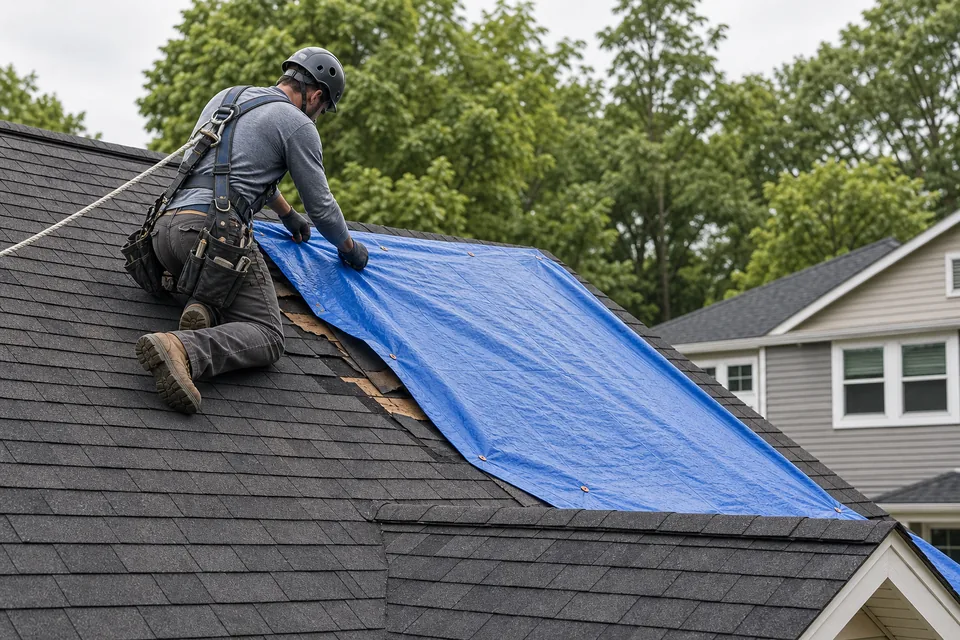
Emergency Roof Tarping: What to Expect
What temporary roof protection can do, its limitations, and the permanent steps that follow.
Read guideResidential roofing service
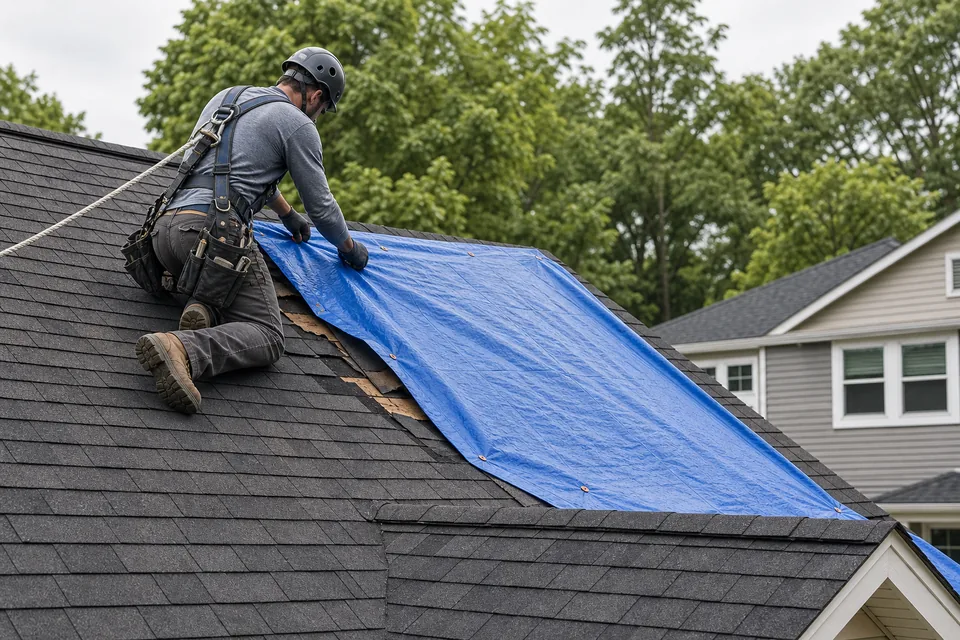
When a roof opening is actively exposed, the immediate goal is mitigation. A properly secured tarp helps reduce further water entry while the permanent scope, materials, and scheduling are confirmed.
Warning signs
Quick facts
Our process
The exact scope changes by property, but the decision process stays consistent.
Assess the opening and surrounding roof from a safe position
Remove only loose debris that can be handled safely
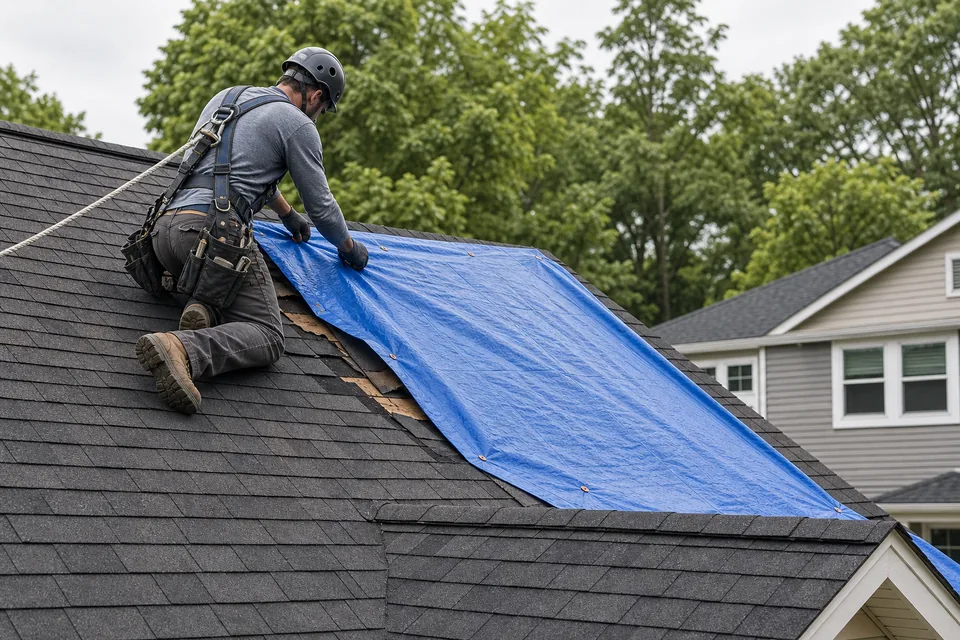
Secure temporary protection beyond the exposed area
Document the mitigation and outline the permanent next step
Scope options
Final production content should name the real materials, warranty options, crew qualifications, and limitations offered by the contractor.
Common questions
No. Tarping is temporary mitigation. The damaged roof system still needs a documented permanent repair.
No. Wet, damaged, or steep roofs are dangerous. Move valuables away from the leak if it is safe and call a qualified professional.
Service areas
Related guidance
What temporary roof protection can do, its limitations, and the permanent steps that follow.
Read guide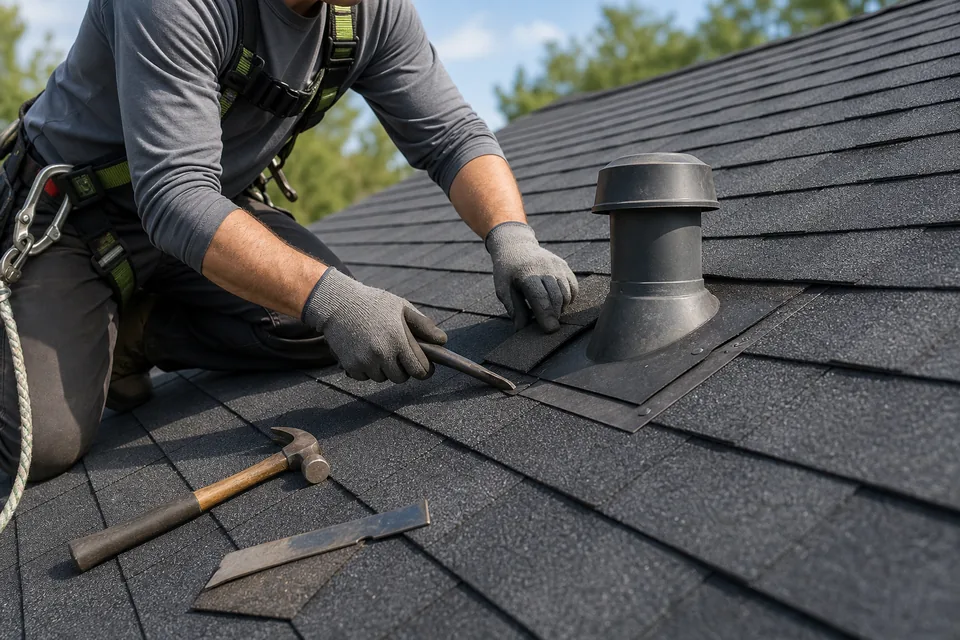
What to do inside the home while waiting for safe temporary protection and a source-focused inspection.
Read guideRelated services
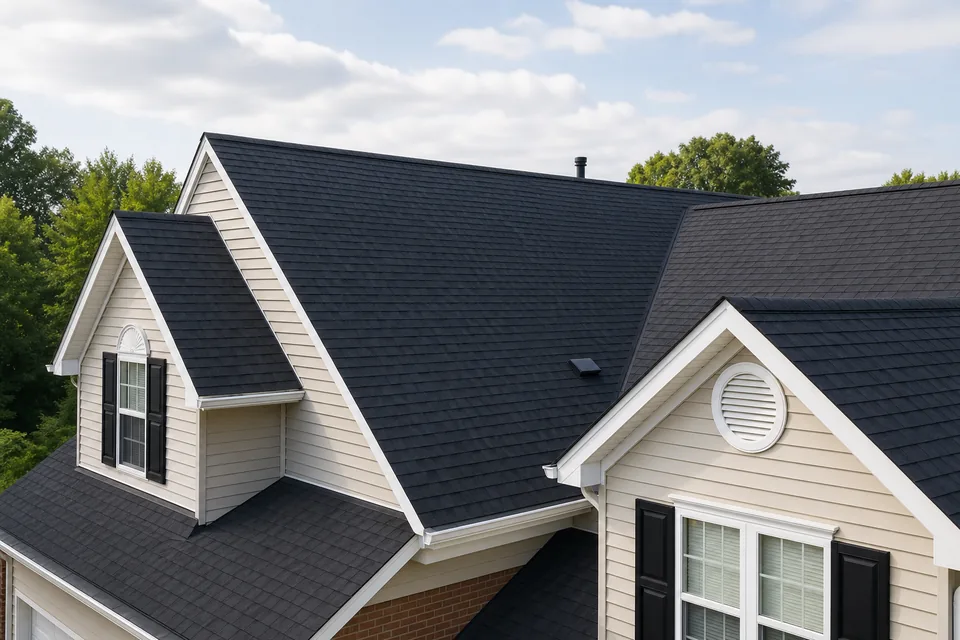
Targeted repairs for shingles, flashing, vents, valleys, and other isolated roofing problems.
Explore service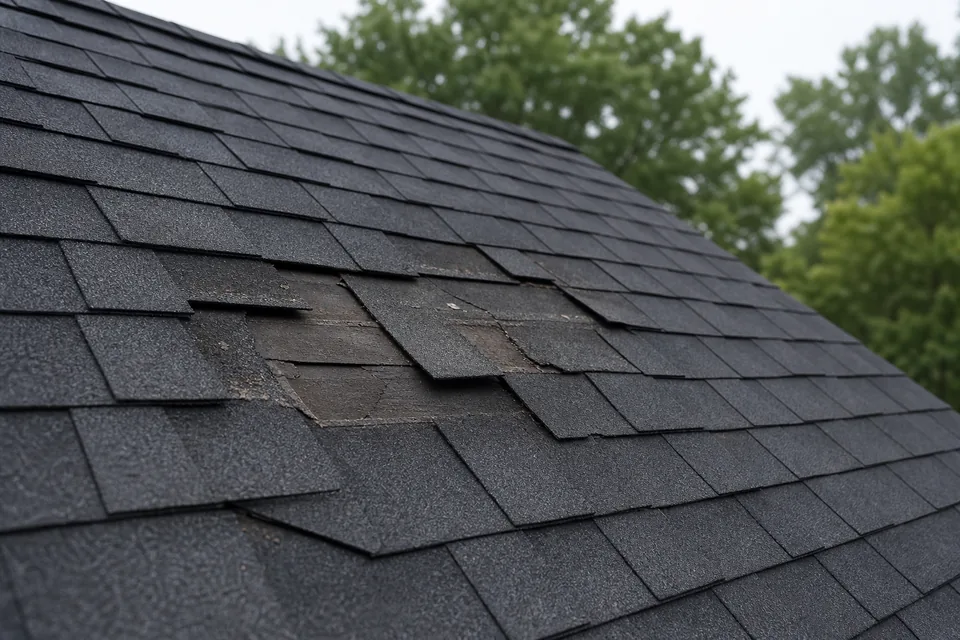
Inspection, emergency protection, documentation, and repairs after wind, rain, hail, or falling debris.
Explore service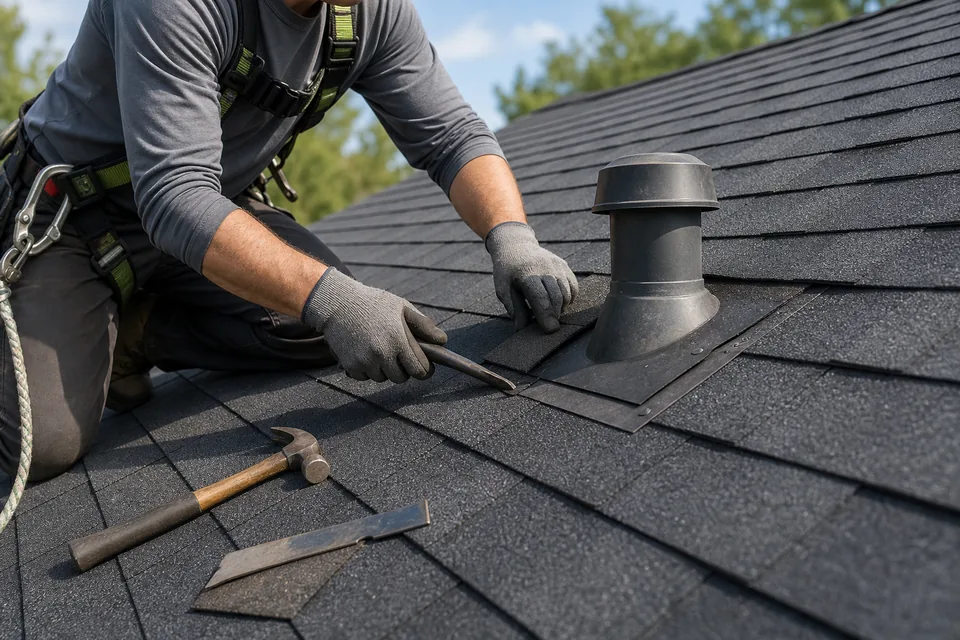
Source-focused diagnosis and repair for active leaks, recurring stains, and hidden water entry.
Explore serviceResponsive roofing help
Start with a documented inspection and a clear next step.